Partway through this Fall semester, I stopped class and went around the library (home to our English Language Arts classes), asking each student in my Research & Contexts class the question: what’s working for you in here, and what isn’t?
This semester, most of my High School ELA classes have been organized around a motivating question: What is the “story” of America? The idea came while preparing for my first semester at Appamada, as the country’s 250th birthday was being celebrated, and argued over, all summer. We’ve been reading voices from Malcolm X and Ralph Ellison to Annie Dillard and Shirley Jackson, asking what this nation’s story has been, how it’s told now, and what it might become. On a deeper level, I have invited students to consider what it means to live within, and be a part of, a larger “story.”
But I had fallen into an old habit. After eight years teaching college, where a syllabus often works like a football team’s playbook (“plug and play” plays designed to work no matter who’s on the field), I realized I hadn’t earned enough trust from this particular group to let the material breathe. Teaching writing takes trust. Students can’t find their voices in a room where they don’t feel authentically known.
So I asked, and they answered. What they wanted was a break from America to write about something they couldn’t stop thinking about. Thus, the impromptu “Hyperfixation Essay” project was born.
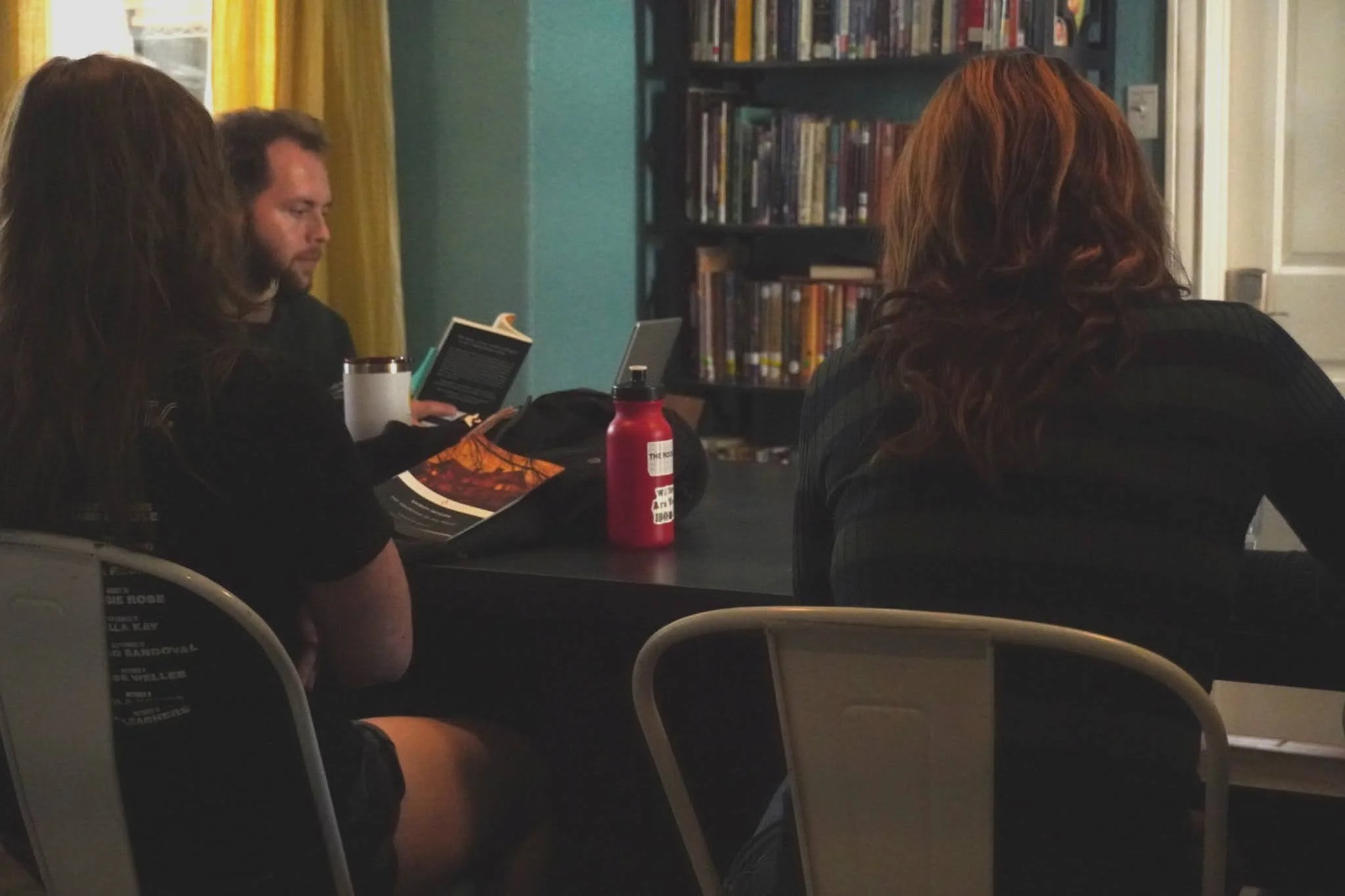
A Hyperfixation
“Hyperfixation” is an everyday term, with roots in conversations about ADHD and autism, for a topic that captivates you so completely that you lose track of time. It’s the “rabbit hole” we metaphorically fall down when we become obsessed by something. Hyperfixations can cost us deadlines, but I’d also argue they’re beautiful reminders that something in the world can utterly enchant us. Under the “spell” of our hyperfixations, we become more curious about reality, and they instill in us a passionate desire to know everything about something.
The assignment sits between genres on purpose. It isn’t the sort of thesis-driven analytical paper that we’ll be doing for final projects, and it also isn’t a short story. It’s closer to the curiosity-driven essays in magazines like The New Yorker, where a writer follows a fascination, layering in observation, research, and personal stake, until they arrive somewhere they didn’t expect. Students began with a sentence naming their fixation, then freewrote (writing quickly, without worrying about structure), drafted essays of about five to six pages, and finally presented them to the class with accompanying slides/audio-visual clips. The essays weren’t traditionally graded. I wanted students to take real risks, and instead of assessing whether they’d proven a claim, I wanted to see them tracing the process of their own thinking on the page.
An Eclectic Essay Collection
The range was wonderful, and wonderfully eclectic for representing this cadre of students: video games and music albums I’d never heard of, the history of warning sirens, and films as different as the science fiction blockbuster Avatar and Backrooms (an internet-born horror film about eerie, empty, liminal spaces). For instance, one student wrote about the video game Fear & Hunger, which became an occasion for her to investigate a hobby that has occupied hours of free-time. “In the entire time I’ve been into F&H,” she wrote, “I’ve never asked myself—why do I find Fear & Hunger so captivating? I think there’s a certain charm for me when it comes to F&H. It’s genuinely one of a kind, and I can’t think of any game that is truly similar to F&H.” This probing of a hyperfixation is an example of precisely what I wanted to see in this assignment, because it was partially designed to subtly remind students that not all essays have to be thesis-driven. In fact, sometimes in the absence of definitive claims about a topic we can come to unexpected insights.
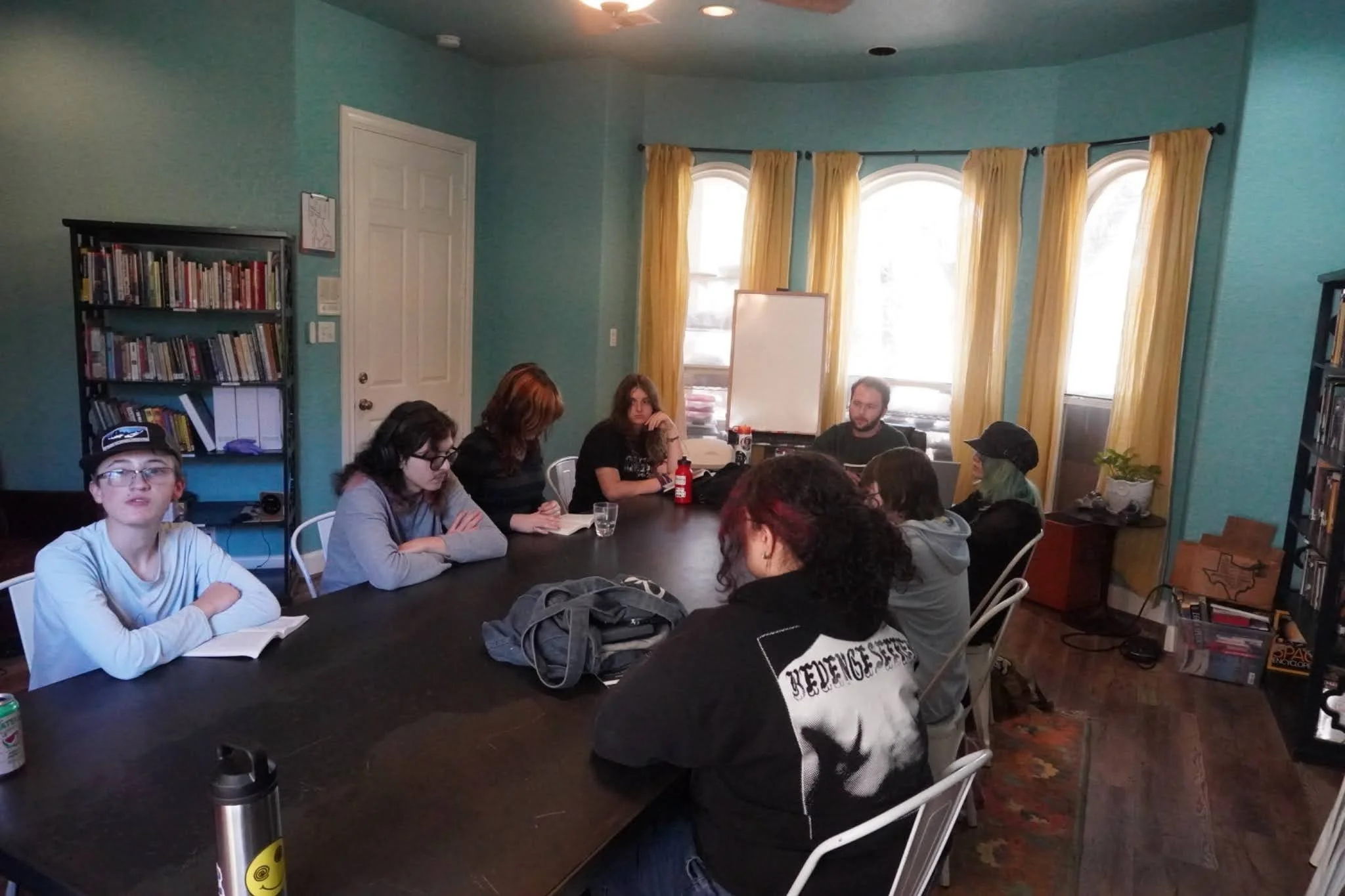
The Room Changes
Icebreakers during the first week can only reveal so much. As students brainstormed, wrote, and presented, I saw something shift: one class period in particular stands out, when the group shared their potential ideas with each other, and in the pingpong of ideas, a sense of community was enriched through students both knowing some of their peers hyperfixations, while also being pleasantly surprised by what they were learning about each other in real time. I learned what lights my students up, and they learned they could be heard. As another example, I would have had no clue without this assignment that a different student “find[s] the horrifying nature of alarms and sirens quite intriguing— sirens have a unique ability to immediately attract attention, in any situation. Threats are terrifying, but so are the sirens that warn of them, and I think that’s why I find sirens fascinating.” This essay allowed a completely unexpected topic to worm its way into an ELA class, and I loved this mini cultural history of sirens and their relation to human psychology.
Writing is hard, there’s no way around it. The blank page is intimidating, especially when you’re uninspired. But when you write about something you love, or even something you passionately disagree with, that blank page starts to feel like a canvas. You begin to hear the music of your own voice.
We’ve since returned to the “story of America,” and the room feels different. That’s what Appamada means by process-based education: valuing how students think, and helping steer them towards their spark, not just valuing what they produce or their scores on an exam. Falling down the rabbit hole is one of life’s joys, whether you’re seventeen or seventy. I hope to keep fostering that sense of enchantment in Appamada’s blue-walled library for a long time to come.